


Youoffer it.
At booking, or in the pre-departure email. One line: when you get home, we will make you a book of this. Your branding, your voice, your relationship.


Travel journals
The trip ends and your brand leaves the room. This is the part that comes back: a printed record of the journey, built from the trip you already ran, with your name inside the cover.

The gap this was built for
Welcome boxes. Printed itineraries. A luggage tag. A framed photograph waiting in the room. Operators spend real money making a client feel looked after, and every documented example of that spend lands before or during the journey.
Sent ahead. Sets the tone, then gets recycled.
Genuinely useful, and finished the day they land home.
The note, the bottle, the framed photograph.
The trip ends, the relationship goes quiet, and the next enquiry starts from scratch.
No vendor and no trade publication has named the post-trip recap book as something an advisor offers. The naming rights are open.

Why it is worth doing
Why now
The same thing happened to vinyl when streaming made music free: the format people pay for turns out to be the one they can hold. Your clients are already moving that way.
active film camera users worldwide, 35% of them aged 18 to 30.
Fortune / The Conversation, July 2026of travellers say they would use technology to recreate a memory or a photograph.
Booking.com, 29,733 respondentsmentions of “AI slop” in 2025, up from 461,000 the year before, 54% of them negative.
MeltwaterA book made entirely from things that actually happened is the opposite of that, and your client already knows the difference.
How it works for you
Nothing to build, nothing to install, and no new admin on your side. If we already produce the trip document, the raw material is in our hands before your client leaves.
At booking, or in the pre-departure email. One line: when you get home, we will make you a book of this. Your branding, your voice, your relationship.
They already hold your itinerary. Tripigo carries it, and they say a line or two on the day something happens. No forms, no journalling homework, nothing that feels like a task on a holiday.
What the app knows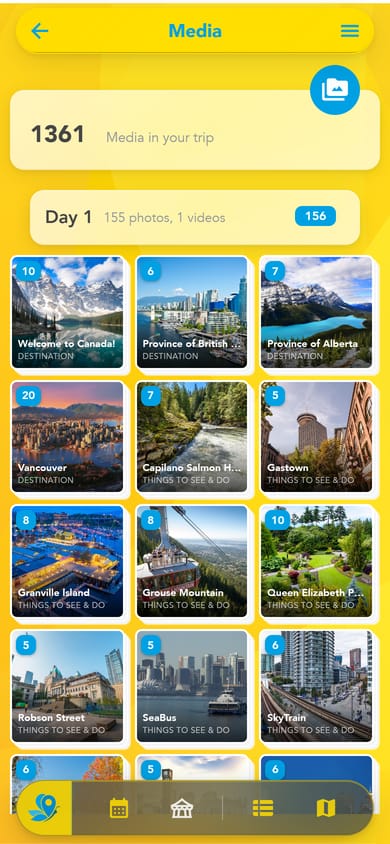
Their real route, their own words, their own photographs, laid out and printed on the same production line that already runs your documents.
The journal is not a new production line. It is the same one, run once more after the traveller comes home.

Weeks later, when the trip has gone quiet and the photographs have gone unlooked at, a hardback lands on the doormat with your name inside the cover.
What goes in
What never does

The credit
Your clients can order their own book directly. The advisor who sent them is recorded against it. You gave them the trip, and the record of it should not arrive with somebody else’s name on it.

The ending
Send a departure that has already come home and we will build the book from it.